

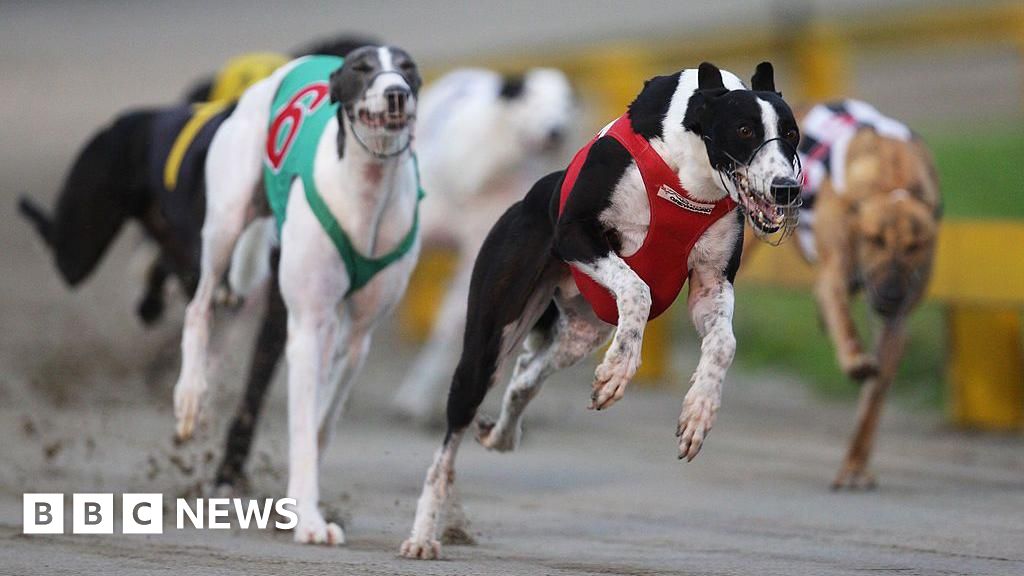
Greyhound racing has long been a beloved pastime in the UK, attracting thousands of spectators to tracks across the country. However, in recent times, the scene has changed dramatically. Many race events have been canceled or postponed, causing concern among fans and industry stakeholders alike. To understand this situation better, we must delve into the various factors contributing to the current state of UK greyhound racing. Visit UK Greyhound Racing Not on GamStop www.whippetgrey.co.uk for more information on greyhound racing and its impact.
The Historical Context
Greyhound racing in the UK dates back to the late 1920s when it quickly gained popularity, leading to the establishment of the Greyhound Racing Association (GRA). Many iconic tracks, such as Wembley and White City, became household names, drawing large crowds and significant betting activities. The sport thrived for decades, with its appeal spanning across various demographics.
Shift in Public Perception
However, in recent years, public perception regarding greyhound racing has shifted. Increasing awareness of animal welfare issues has led to calls for reform within the industry. Advocacy groups highlight the risks faced by racing dogs, including injuries and the treatment of retired animals. This growing sentiment has resulted in fewer people attending races and, consequently, a decline in revenue for the sport.

Impact of COVID-19
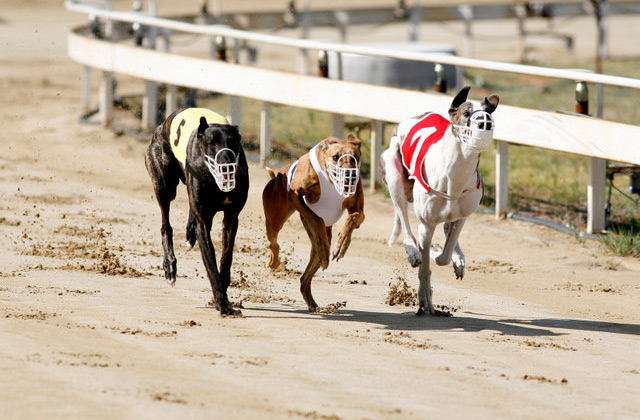
The COVID-19 pandemic has posed unprecedented challenges across various sectors, and greyhound racing was no exception. During lockdowns, tracks were closed, and live events were suspended. While some venues attempted to adapt by hosting virtual races and online betting, these measures could not fully compensate for the loss of live attendance and the atmosphere of on-site betting.
Even as restrictions eased and racetracks reopened, the sport struggled to recover its former glory. Many fans were hesitant to return, impacting ticket sales and overall participation in the sport.
The Regulatory Environment
The UK’s regulatory environment has also played a significant role in the current landscape of greyhound racing. In recent years, various bodies, including the UK Government and animal welfare organizations, have demanded stricter regulations to ensure the safety and well-being of greyhounds. These regulations include mandatory health checks and tracking of racing dogs, which, while crucial for animal welfare, have added additional operational challenges for racing organizations.
Some tracks have found it increasingly difficult to comply with these new rules, prompting some to temporarily halt operations until they can ensure full compliance. Consequently, fans are left wondering why particular events are not taking place.
Sponsorship and Funding Challenges
Alongside regulatory challenges, greyhound racing has also faced issues related to sponsorship and funding. Once a lucrative sport for sponsors, many businesses are now hesitant to associate themselves with an industry facing growing scrutiny over animal welfare concerns. The decline in sponsorship has led to reduced prize money and operational budgets for racing tracks, further impacting their ability to host events.
This financial strain has resulted in many tracks scaling back on their racing schedules or even shutting their doors altogether. As a result, fewer events mean less excitement and engagement from the public, creating a vicious cycle that is tough to break.
Future Prospects
As the greyhound racing industry grapples with these numerous challenges, questions arise regarding its future sustainability. There is a need for an industry overhaul aimed at addressing animal welfare concerns while also modernizing the sport to attract a new generation of fans.
Initiatives could include improving how dogs are treated post-racing, better training programs to ensure the health and safety of the animals, and diversification of revenue streams beyond just betting and attendance. Programs aimed at rehoming retired racing dogs could also help rebuild public trust in the industry.
Conclusion
In conclusion, the decline in greyhound racing events across the UK is a multifaceted issue influenced by a complex interplay of public perception, regulatory changes, the impacts of COVID-19, and sponsorship challenges. Moving forward, the industry must find ways to innovate and adapt to remain relevant in a rapidly changing landscape. By prioritizing the welfare of the dogs and reinvesting in the sport’s future, it may be possible to revive interest and ensure the longevity of greyhound racing in the UK.