

In the digital age, financial transactions have become ubiquitous. However, with the rise of online commerce, fraud and disputes have also increased. Hence, the need for clear Payment evidence with a sending date – casino without Swedish license casino without swedish license evidence in transactions has never been more critical. Payment evidence encompasses various forms of documentation that ensure transparency, accountability, and security in payment processes.
What is Payment Evidence?
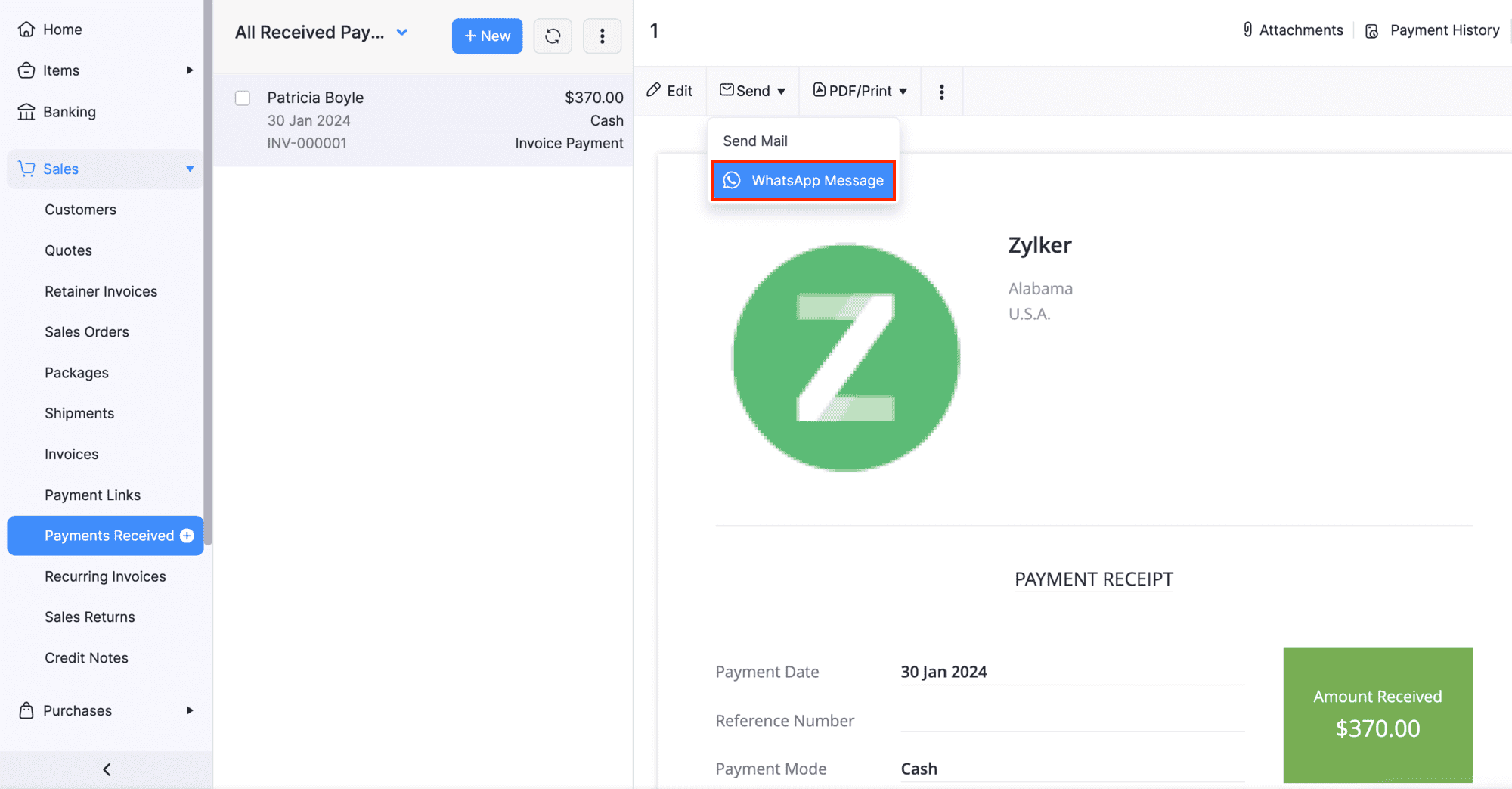
Payment evidence refers to any documentation or record that verifies a transaction. This can include receipts, invoices, bank statements, transaction confirmation emails, and screenshots of completed transactions. Essentially, it’s any proof that money has been transferred from one party to another. The importance of this evidence cannot be overstated, especially in an era where digital transactions are the norm.
Types of Payment Evidence
There are several types of payment evidence that individuals and businesses may encounter:
- Receipts: These are printed or digital documents provided by the seller, confirming that payment has been made for goods or services.
- Bank Statements: A bank statement summarizes all transactions for a specific period, including payments made and received.
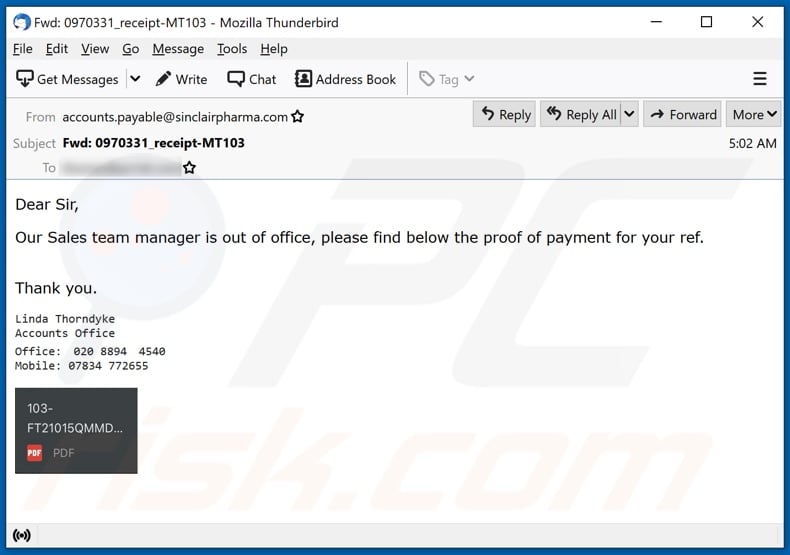
- Transaction Emails: Many online transactions are accompanied by confirmation emails that serve as evidence of payment.
- Invoices: A detailed bill provided to a buyer that lists products or services rendered along with payment terms.
- Payment Gateway Logs: E-commerce platforms often have logs that provide details about transaction activities, including timestamps and amounts.
Importance of Payment Evidence
Having solid evidence of payment is essential for several reasons:
- Dispute Resolution: In the event of a chargeback or a dispute, having payment evidence can provide the necessary proof that a transaction occurred.
- Record Keeping: Both individuals and businesses must keep accurate records for various reasons, including tax preparation and financial analysis.
- Fraud Protection: Evidence of payment helps protect against fraud and ensures that funds are transferred securely.
- Accountability: For businesses, maintaining evidence of transactions promotes accoun
tability and trust between buyers and sellers.
Best Practices for Maintaining Payment Evidence
To ensure the integrity of payment evidence, consider the following best practices:
- Organize Records: Maintain an organized system for storing payment evidence so that it can be easily accessed when needed.
- Use Secure Systems: Implement secure payment methods and platforms that provide clear records of transactions.
- Back Up Data: Regularly back up payment evidence to prevent loss, especially in case of system failures.
- Stay Informed: Keep up-to-date with regulations and best practices regarding payment evidence and transaction security.
Technological Impact on Payment Evidence
The advancement of technology has greatly influenced how payment evidence is generated, stored, and retrieved. Digital wallets, blockchain technology, and payment processing software have transformed traditional evidence methods, providing enhanced security and accessibility.
1. Digital Wallets
Digital wallets like PayPal, Apple Pay, and Google Wallet come with built-in features that automatically generate transaction records. These platforms offer users a quick way to track their spending and obtain evidence of payment when needed.
2. Blockchain Technology
Blockchain technology further enhances the security of payment evidence. Each transaction is recorded in a decentralized ledger, making it nearly impossible to alter or forge payment evidence. This level of transparency is valuable for both businesses and consumers alike.
3. Payment Processing Software
Many businesses utilize payment processing software that not only automates the payment process but also generates detailed reports and evidence of every transaction. This software can integrate with accounting systems, making it easier to maintain accurate financial records.
Common Challenges with Payment Evidence
Despite its importance, maintaining payment evidence can involve certain challenges, including:
- Data Privacy: With the increasing emphasis on data privacy laws, businesses must ensure they handle payment evidence responsibly and in compliance with regulations.
- Loss of Evidence: Digital evidence can be lost due to technical issues, accidental deletion, or cyber incidents. It’s crucial to have backup protocols in place to prevent these losses.
- Disputes Over Validity: Sometimes, there may be disputes over the validity of payment evidence. This can occur if the format or content of evidence is questioned.
Conclusion
In today’s financial landscape, payment evidence is not merely a formality; it is a critical component of trustworthy transactions. As technology continues to evolve and digital transactions become more prevalent, understanding the significance of payment evidence will only grow. Whether for personal use or business purposes, ensuring that payment evidence is clear, accessible, and secure is essential for protecting oneself against fraud, disputes, and financial mismanagement. By adopting best practices and investing in the right technology, both individuals and businesses can navigate the complexities of payment evidence with confidence.